
Overview
The Department of Surgery with 150 beds is an integrated academic and clinical department dedicated to providing exceptional patient care, medical training and research initiatives. The department delivers comprehensive surgical care that prioritize patient dignity and comfort,while also upholding its role as a respected teaching institution in line with the National Medical Commission's (NMC) regulations.Our clinical service is supported by evidence-based practices, multidisciplinary teamwork, modern peri‑operative care with compassion, and continuous quality improvement. Our clinical scope includes minimally invasive (laparoscopic) procedures, breast, endocrine, gastrointestinal, hepatobiliary, pancreatic, abdominal wall and hernia surgery besides acute care and emergency surgery with structured referral pathways for high-risk cases.
Our department functions as five academic units, delivering undergraduate and postgraduate training, skills development, and research that provide students with a comprehensive academic and clinical experience and also translates into better patient outcomes. Teaching and mentorship are integrated into daily clinical work, ensuring that patient care, training, and scholarship progress together.
The Department of Surgery's combined focus on clinical service, medical education, and research is designed to nurture competent, ethical, and socially responsible surgeons while additionally providing inexpensive and effective surgical treatment to the community.
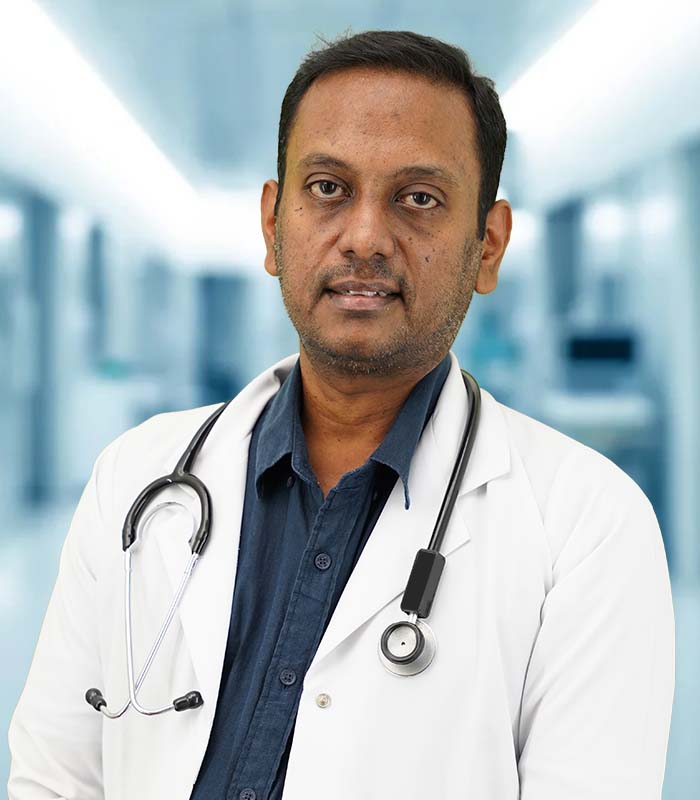
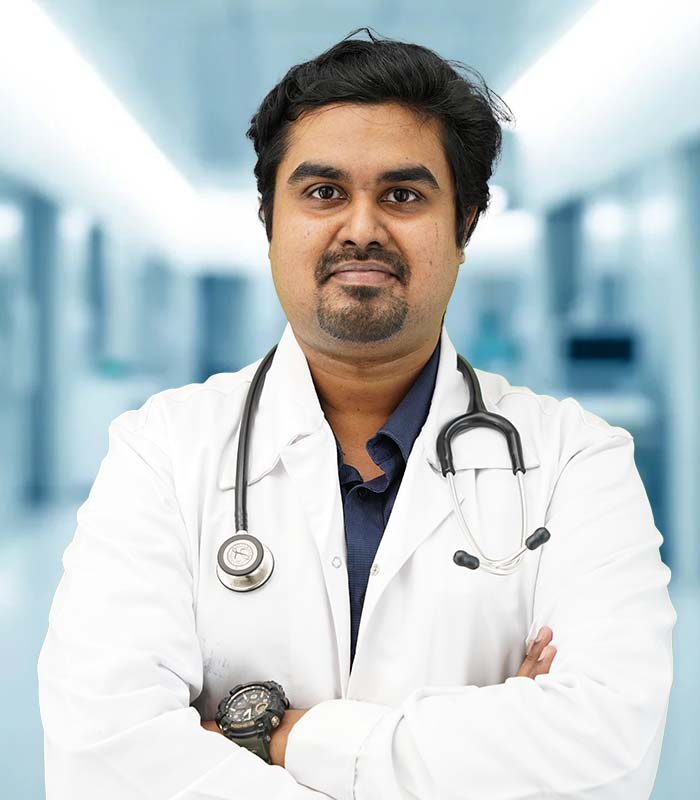
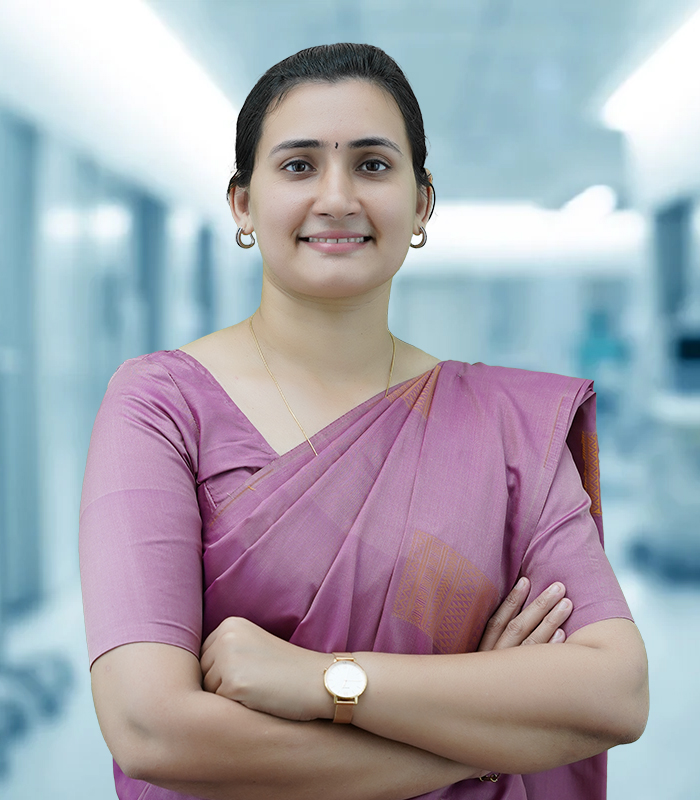
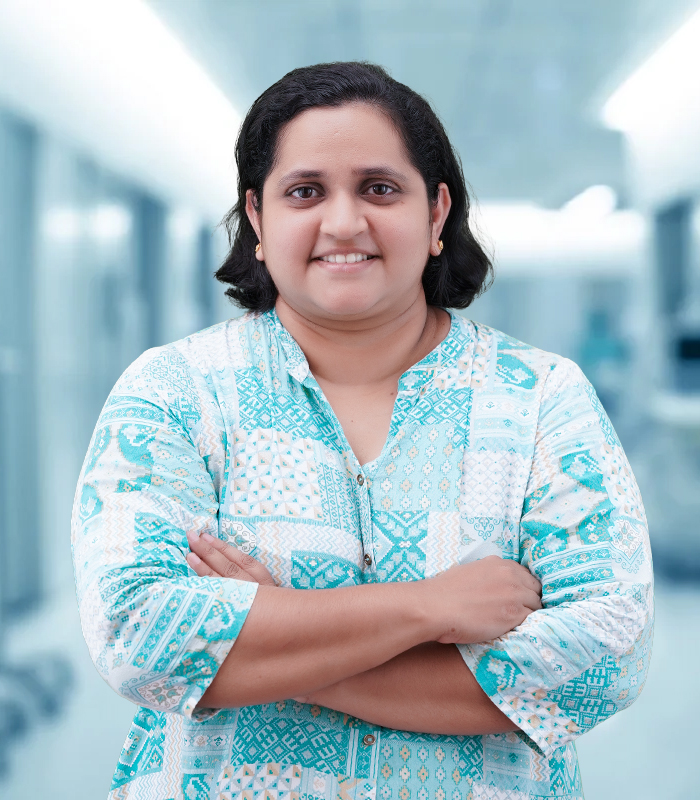
Our Medical Specialists















ACADEMIC COURSES
+
ACADEMIC ACTIVITIES
+
HISTORY OF THE DEPARTMENT
+
VISION
+
To establish the department of surgery as a "Centre of Excellence" for compassionate, high-quality, evidence-based patient care, excellence in education and training and meaningful research that improves health outcomes.
MISSION
+
To provide the highest quality patient care through continuous quality improvement and innovation, training for the next generation of surgical health care professionals, foster a respectful multidisciplinary culture and promote relevant research.